




Dubai 2026 budget plans combine AED 99.5 billion in expenditure with projected revenue of AED 107.7 billion. The difference gives the city room to invest at scale while maintaining a disciplined fiscal position.
The annual plan sits inside Dubai’s largest three year budget cycle. Total expenditure from 2026 through 2028 is set at AED 302.7 billion, while total revenue is projected at AED 329.2 billion.
Numbers this large can feel distant from daily life. Their meaning becomes clearer through the allocation. Roads, bridges, public transport, parks, renewable energy, health, education, housing, and digital services all compete for the same public resources.
The budget shows where Dubai expects its next phase of growth to need the most support.
What the Dubai 2026 budget contains
Projected revenue of AED 107.7 billion includes AED 5 billion in general reserves. The three year cycle is expected to achieve an operating surplus of up to 5 percent of Dubai’s projected gross domestic product for 2026.
The annual spending plan directs 48 percent of expenditure to infrastructure. This category covers roads, bridges, tunnels, public transport, sewage systems, parks, renewable energy facilities, waste management, and government service buildings.
Social development receives 28 percent. That includes health, education, scientific research, housing, family welfare, youth, sport, senior citizens, retirees, and people of determination.
Security, justice, and safety receive 18 percent, while 6 percent supports government development, innovation, and performance improvement.
These percentages reveal a balance between physical growth and the services that make a city liveable.
Infrastructure takes the largest share for a reason
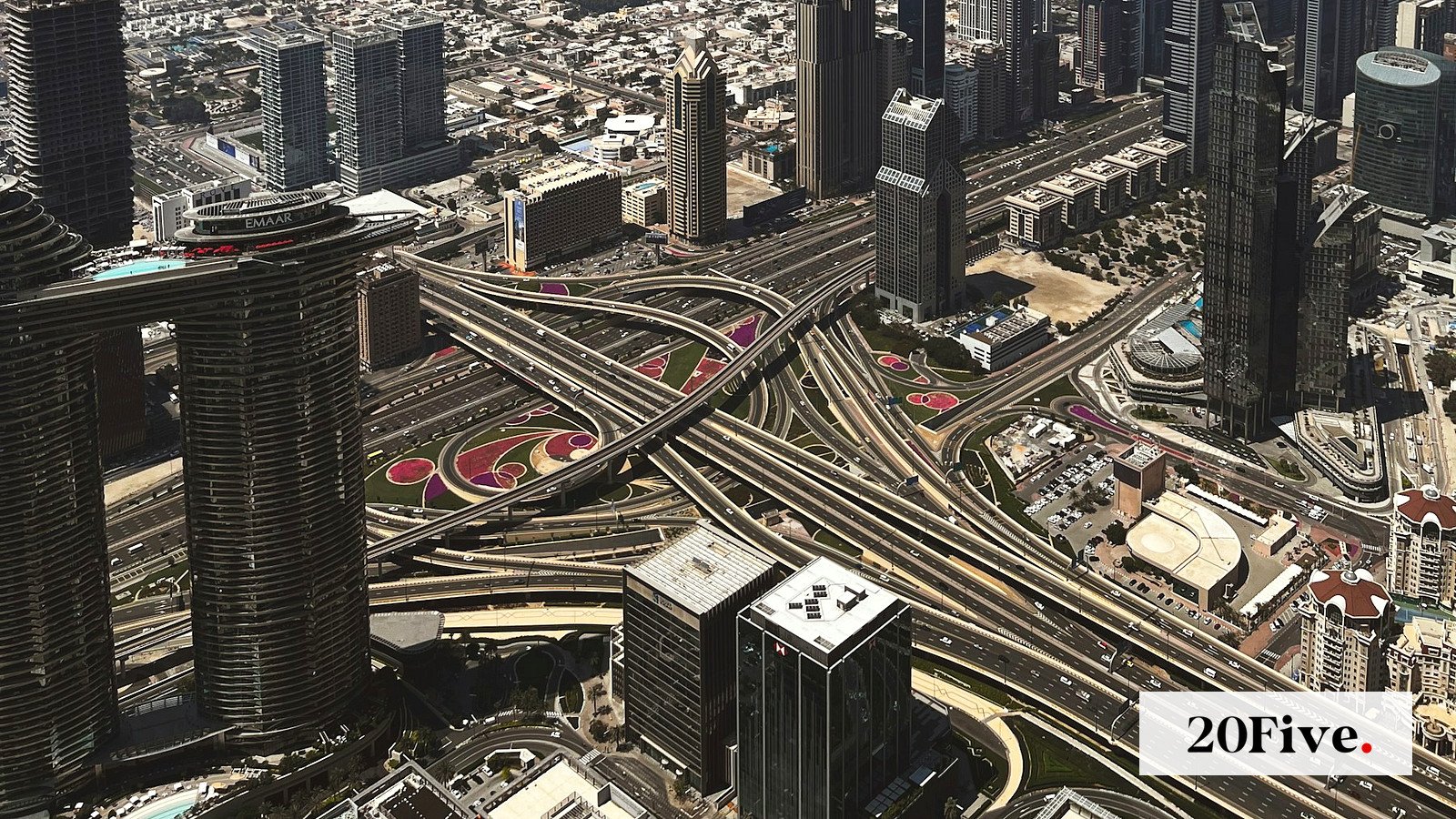
Dubai’s population and business activity continue to expand. Growth places pressure on roads, public transport, utilities, waste systems, parks, and neighbourhood services.
A city can attract new residents and companies quickly, but confidence depends on whether daily systems keep pace. Infrastructure spending is therefore not separate from economic policy. It shapes commute times, logistics costs, housing choices, tourism, and the ability of businesses to operate efficiently.
The allocation also connects with the Dubai Plan 2033 and the D33 economic agenda. Both seek stronger global competitiveness while keeping quality of life at the centre of development.
The important word is planned. A budget authorises and directs spending, but outcomes depend on project delivery, procurement, performance, and changing economic conditions.
Social spending protects the human side of growth
The 28 percent social allocation covers areas residents experience personally. Schools, hospitals, housing, family services, research, and community support can determine whether a fast growing economy feels inclusive.
This part of the Dubai 2026 budget also supports the idea that infrastructure is more than concrete. Human capital, health, education, and family stability affect productivity just as directly as roads and digital networks.
For businesses, better public services can make Dubai more competitive in the global contest for talent. For residents, they influence the practical value of living in the city.
The surplus sends a confidence signal
Projected revenue is higher than annual expenditure, while the wider cycle also shows total revenue above total spending. Dubai’s Department of Finance describes the approach as flexible, scalable, and focused on long term sustainability.
That position can give the government more resilience when global conditions change. It can also reassure investors that ambitious projects are being planned within a structured financial framework.
The figures remain projections. Revenue can change and expenditure can move as priorities develop. Responsible analysis should distinguish an approved budget from final financial results.
Still, the direction is clear. Dubai intends to spend heavily on its next chapter without treating fiscal discipline as an obstacle to ambition.
Readers can follow more public finance analysis through Finance and track city projects through News and Trends.
Frequently Asked Questions
How much will Dubai spend in 2026?
The approved Dubai 2026 budget sets estimated expenditure at AED 99.5 billion.
How much revenue is projected for 2026?
Revenue is projected at AED 107.7 billion, including AED 5 billion in general reserves.
Which sector receives the largest allocation?
Infrastructure receives 48 percent of planned expenditure, covering transport, utilities, parks, energy, waste, and service buildings.
Is the Dubai 2026 budget part of a longer plan?
Yes. It sits inside the 2026 to 2028 budget cycle, which plans AED 302.7 billion in total expenditure and AED 329.2 billion in total revenue.