



The search for Aramco Stadium investors could become a bigger story than the stadium itself. Saudi Arabia’s ROSHN Group is seeking private capital for the venue, according to a Reuters report citing three people familiar with the plans.
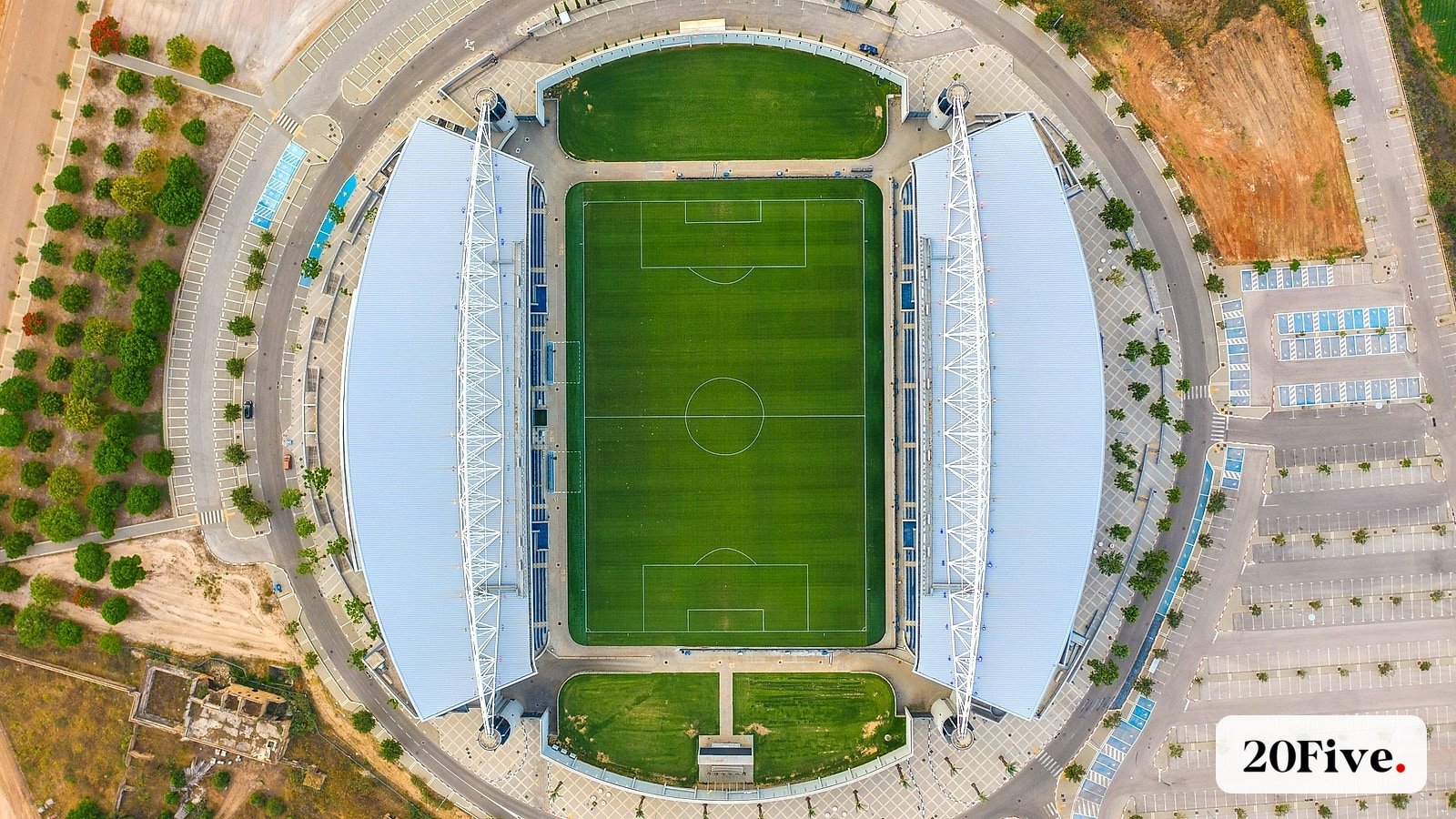
For football fans, the attraction is easy to see. The new stadium in Al Khobar is designed to hold 47,000 spectators and host major national and international events. For business leaders, the more interesting question is how the project may be financed.
ROSHN is owned by the Public Investment Fund. Reuters reported that the company has appointed JPMorgan to lead the process and is considering a structure that could give investors a share of future lease payments.
The discussions are private and the final terms could change. Still, the reported direction says something important. Saudi Arabia is looking beyond state funding as it moves through a vast pipeline of sport, tourism, transport, real estate, and entertainment projects.
Why Aramco Stadium investors matter beyond football
Big projects attract attention when the designs are revealed. The harder business question arrives later. How can a country keep funding ambitious development without tying up capital that could support the next project?
Private investment can provide one answer. If outside investors contribute money in exchange for a long term income stream, the original developer can recover capital while the asset continues to operate.
Reuters said one structure under discussion could involve a sale and leaseback arrangement connected to Aramco. In simple terms, investors could provide capital and receive a share of future lease payments. The exact model has not been publicly confirmed by ROSHN, so it should be treated as reported information rather than a completed agreement.
If the process succeeds, it could become a useful reference for other Saudi assets. Stadiums are highly visible, but the same logic can apply to selected infrastructure, hospitality, and real estate projects with dependable long term income.
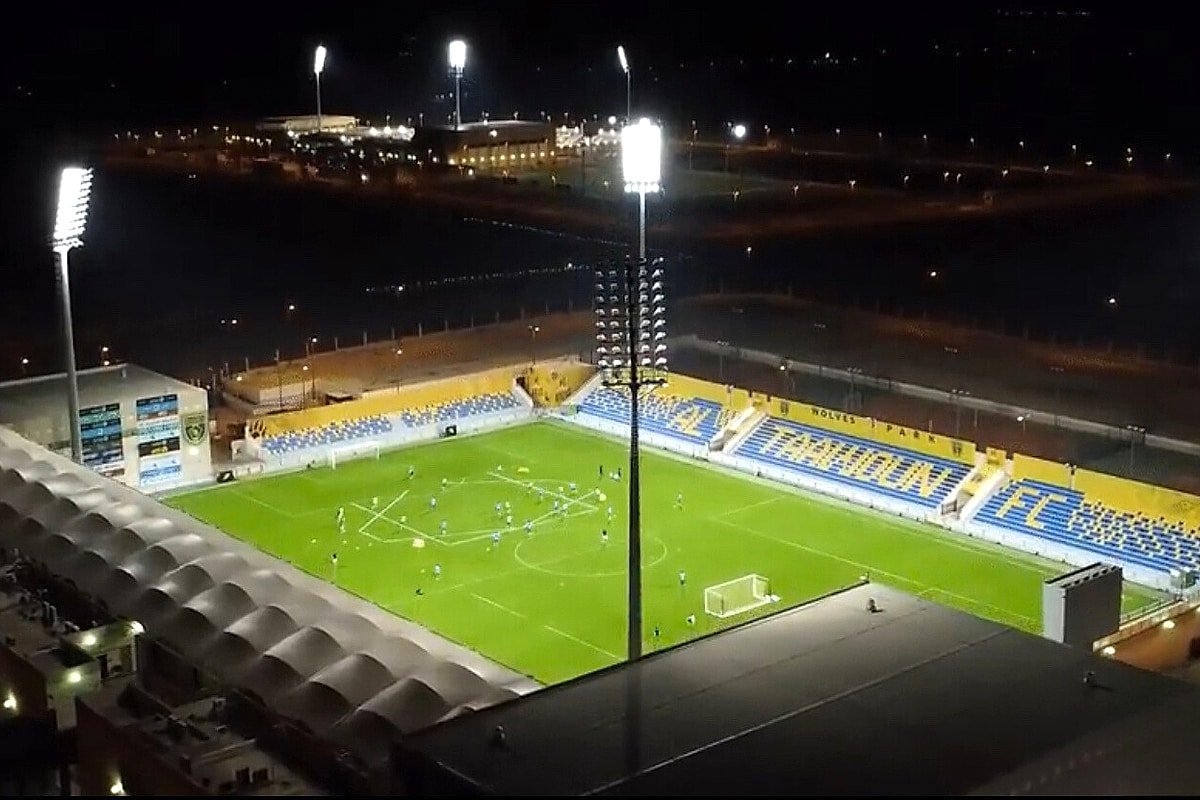
A venue built to work beyond match day
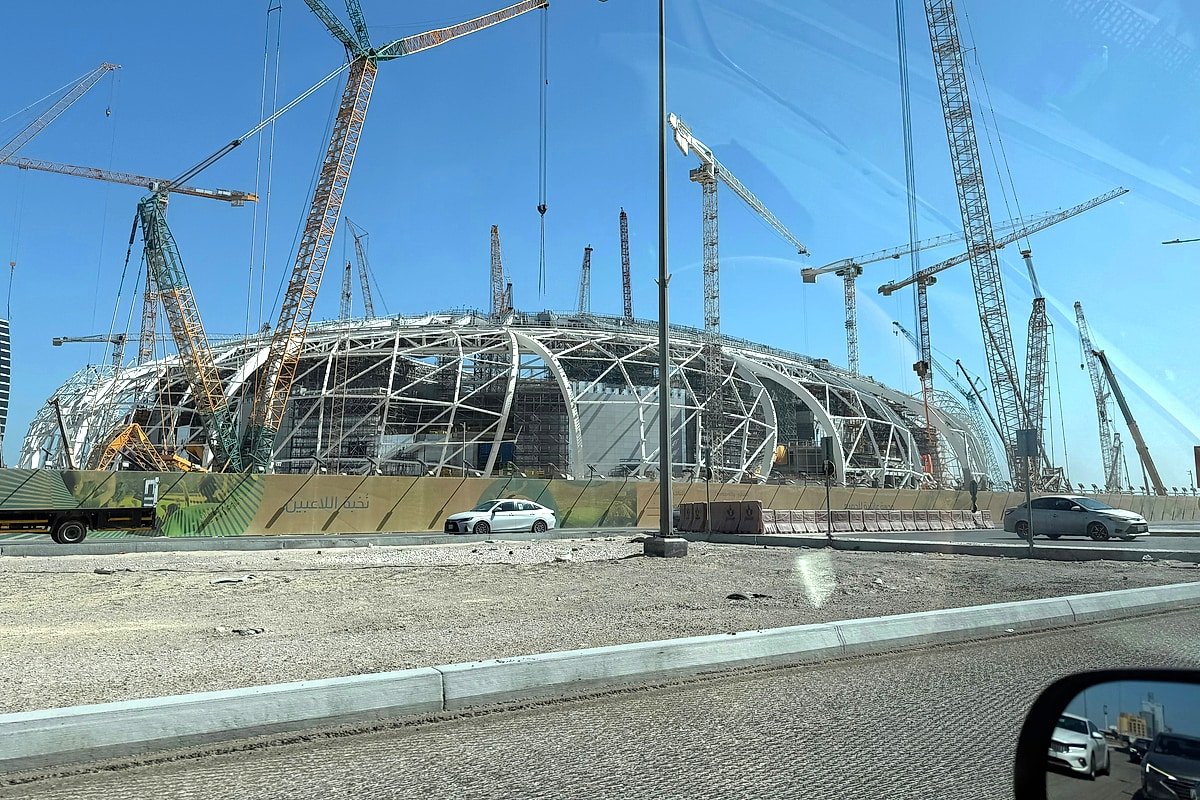
ROSHN says Aramco Stadium is being developed in Al Khobar in the Eastern Region and is expected to be completed and operational in 2026. It is due to host national and international events, including matches during the 2027 AFC Asian Cup. Reuters also identified it as one of the venues planned for the 2034 FIFA World Cup.
The design draws inspiration from the Arabian Gulf and the movement of whirlpools near the coast. That visual idea gives the stadium a local identity, but the commercial ambition goes much further.
A modern stadium cannot depend on a handful of football matches. Its value grows when it can attract concerts, corporate events, hospitality, sponsors, retail spending, tourism, and community activity throughout the year.
That makes the venue a business platform as much as a sporting landmark. A full calendar can create more reliable revenue, which in turn can make the asset more attractive to long term investors.
The real test is whether the model can travel
Saudi Arabia is preparing fifteen stadiums across five cities for the 2034 World Cup, according to Reuters. Some will be built from the ground up and others will be renovated. Around those venues sits a much larger network of airports, rail links, hotels, public spaces, entertainment districts, and visitor services.
Not every project needs the same funding structure. Yet a successful Aramco Stadium transaction could show where private capital fits comfortably alongside public ambition.
For investors, the attraction may include long duration income, exposure to a major national asset, and the growing commercial value of Saudi sport. For state backed developers, the benefit is flexibility. Capital released from one completed or advanced asset can support another priority.
This is part of a broader shift worth watching across the region. The reported PIF Electronic Arts deal shows Saudi capital moving into global entertainment ownership. The stadium process points in the opposite direction, inviting external capital into a Saudi asset. Together, they reveal a strategy that is becoming more varied and commercially sophisticated.
What business leaders should watch next
The first signal will be whether ROSHN confirms the fundraising process and its structure. The second will be the type of investors who show interest. Long term infrastructure funds, institutional investors, and groups familiar with lease income may view the opportunity differently from traditional property buyers.
The final signal will be repetition. One transaction can be an experiment. A series of similar deals would suggest a durable new model for funding the Kingdom’s transformation. The response from Aramco Stadium investors could offer the first clear measure of market appetite.
Aramco Stadium may become a landmark for supporters. The way it attracts capital could make it a landmark for investors too.
Frequently asked questions
Where is Aramco Stadium being built?
The stadium is being developed in Al Khobar in Saudi Arabia’s Eastern Region.
How many people will Aramco Stadium hold?
ROSHN says the venue will have capacity for 47,000 spectators.
Has ROSHN confirmed a deal with private investors?
No completed investment deal has been announced. Reuters reported that ROSHN is seeking investors and considering possible structures, citing people familiar with the plans.
Why does the search for Aramco Stadium investors matter?
It could show whether private capital is ready to support major Saudi venues through long term income structures and whether that approach can be repeated elsewhere.
Which major tournaments could use the stadium?
ROSHN says it will host matches during the 2027 AFC Asian Cup. Reuters identified it as a planned venue for the 2034 FIFA World Cup.
Sources
Reuters report on the investor search