








Editorial opinion: The conversation around UAE heritage and innovation is often framed as a choice between what should be protected and what should be built next. That is the wrong choice. In a country that values social traditions, food, crafts, popular arts and historic places, cultural continuity can be a source of confidence for innovation rather than a constraint on it.
The UAE has already made preservation visible through museums and cultural events, while official policy presents innovation as part of developing human capital and diversifying the economy. These are not competing national ambitions. They can be understood as two parts of the same civic project: helping people know where they come from while giving them the tools to shape where they are going.
That matters to residents, students, educators, creative professionals and decision makers alike. A future that feels recognisably rooted is more likely to invite participation. Equally, heritage that can be studied, experienced and shared by new generations is more likely to remain alive.
UAE heritage and innovation can be practical partners
The Official Platform of the UAE Government describes Emirati heritage through a broad and human lens, encompassing social traditions, cuisine, handicrafts, folk arts and historical sites. This breadth is important. Heritage is not simply an object behind glass. It is knowledge expressed through making, gathering, storytelling, hospitality and place.
Innovation, meanwhile, is not limited to a new device or a laboratory breakthrough. The government’s overview of innovation in the UAE links it to human capital and economic diversification. The Ministry of Economy and Tourism’s innovation information also places innovation within the economic sphere. Taken together, these official directions invite a useful interpretation: the people who understand culture deeply can also be among the people who design the country’s next products, services and experiences.
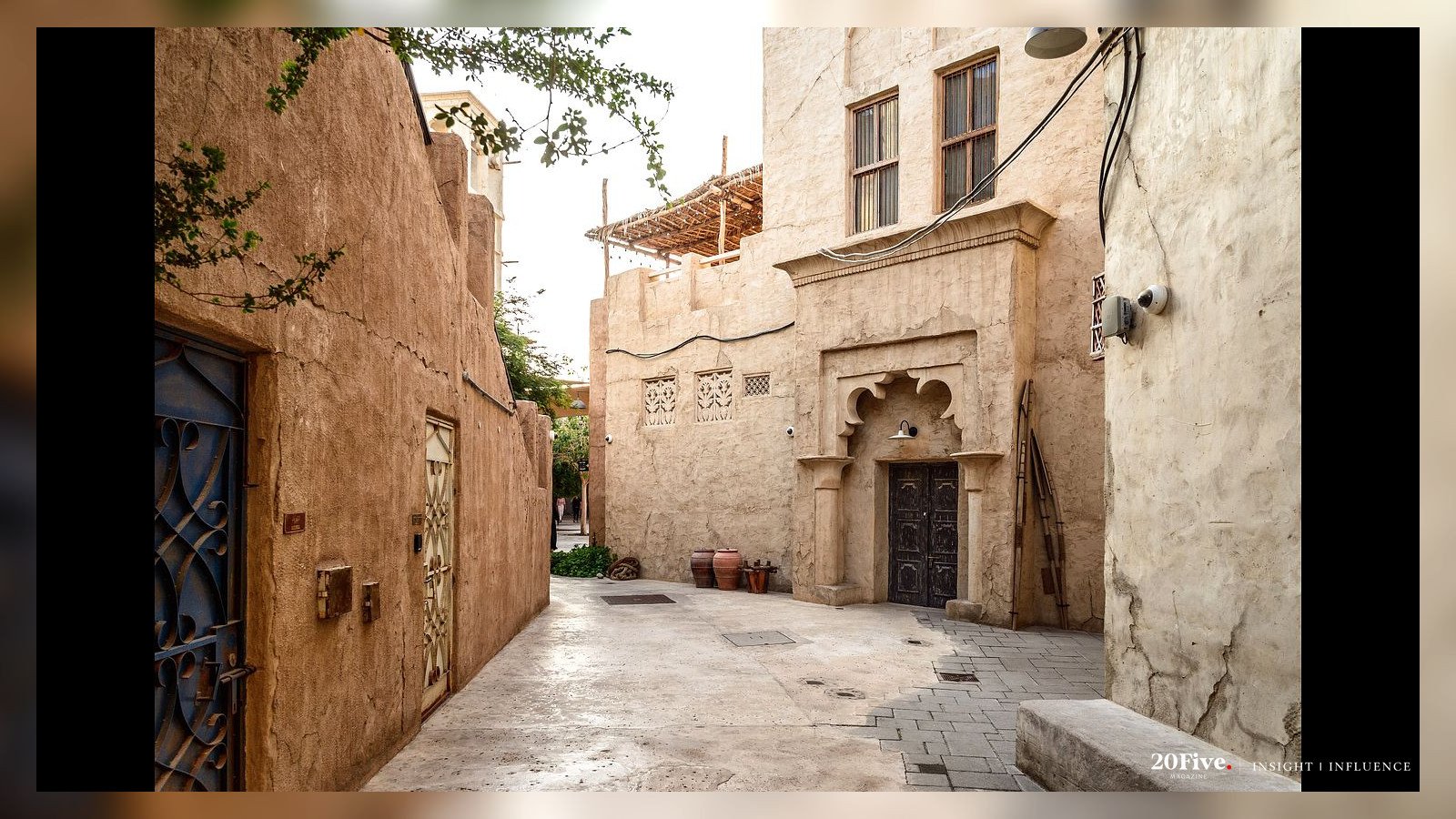
A craft tradition can inspire contemporary design. A historic district can become a compelling setting for learning, cultural enterprise and responsible visitor experiences. Food knowledge can inform new hospitality concepts. Popular arts can reach young audiences through thoughtful digital formats. None of this requires turning heritage into a trend or stripping it of meaning. The better goal is to give cultural knowledge respectful new routes into everyday life.
Technology should expand access, not replace experience
Technology has a clear supporting role. It can help document material, organise archives, widen access to cultural resources and create educational experiences for learners who may not otherwise encounter a collection, site or tradition directly. For teachers, this can mean richer classroom material. For students, it can make heritage easier to explore independently. For families and visitors, it can offer context before a museum or cultural event is experienced in person.
But the most valuable use of technology is not spectacle for its own sake. Digital tools cannot substitute for the atmosphere of a place, the patience behind a handmade object or the personal connection of learning from a knowledgeable practitioner. They can, however, make those encounters more discoverable and better understood.
That distinction should guide cultural projects. Start with the heritage itself, its custodians and the communities connected to it. Then ask what technology can genuinely improve: preservation, access, interpretation or education. This approach gives innovation a clear purpose and helps prevent cultural expression from becoming a decorative backdrop.
People are the bridge between memory and momentum
The most promising connection between UAE heritage and innovation is human. It lies in young people who see local culture as material for creative inquiry, in educators who connect history with problem solving, and in entrepreneurs who build with cultural sensitivity. It also lies in institutions that make room for expert knowledge alongside fresh ideas.
For policymakers, the opportunity is to treat cultural literacy as an asset within human capital development. For schools and universities, it is to give students opportunities to research, interpret and responsibly reimagine heritage. For creatives, it is to look beyond surface level references and engage with the stories, skills and values that give traditions their depth.
This is an editorial view, not a claim that every heritage initiative needs a technological layer. Some practices deserve to remain intimate, local and deliberately slow. Yet where documentation, education and access can be improved, innovation offers useful tools. The UAE’s official commitment to both heritage and innovation provides a strong basis for making that relationship more intentional.
The most convincing future is not one that erases the past in the name of progress. It is one where progress carries cultural understanding with it. That is how heritage can remain relevant without losing its integrity, and how innovation can feel connected to the society it is meant to serve.
Frequently Asked Questions
What does UAE heritage include?
Official UAE government information describes heritage as including social traditions, food, crafts, popular arts and historic places.
How can technology support heritage?
Technology can support the documentation of cultural material, improve access to resources and create educational ways to explore heritage.
Does official UAE innovation policy focus only on technology?
No. Official information links innovation with human capital development and economic diversification, alongside science and technology.
Why should heritage matter to innovators?
In this editorial view, heritage offers cultural knowledge, skills and stories that can inform more meaningful design, education, tourism and creative work.