





The PIF Electronic Arts deal is moving toward two important European decisions. A consortium that includes Saudi Arabia’s Public Investment Fund is expected to secure European approval for its 55 billion dollar acquisition of Electronic Arts, according to Reuters, which cited people familiar with the review.
Expected is the word that matters. The transaction has not received final clearance and it has not closed.
Reuters reported that the European Commission is expected to decide on the transaction under its merger rules on 22 July. A separate review under foreign subsidy rules is expected to conclude on 30 July. Electronic Arts and the Commission declined to comment to Reuters, while PIF did not respond to the news agency’s request for comment.
The regulatory calendar may sound technical. The commercial meaning is much easier to understand. One of the largest deals in entertainment is approaching a major gate, and Saudi Arabia is trying to secure a central position in the global business of play.
Why the PIF Electronic Arts deal is so unusual
Electronic Arts announced the agreement in September 2025. The investor group includes PIF, Silver Lake, and Affinity Partners.
EA said the transaction values the company at about 55 billion dollars. Shareholders would receive 210 dollars in cash for each share, representing a 25 percent premium to the unaffected share price identified in the announcement. PIF would roll its existing 9.9 percent holding into the new ownership structure.
The company described it as the largest all cash sponsor transaction to take a public company private. The planned financing includes about 36 billion dollars in equity and 20 billion dollars in committed debt.
If the transaction closes, EA is expected to remain headquartered in Redwood City, California. Andrew Wilson is expected to continue as chief executive.
Those details matter because this is not a simple minority investment. The consortium wants to take a major global publisher out of the public market and give it a new ownership structure backed by enormous pools of private capital.

Gaming is becoming strategic infrastructure
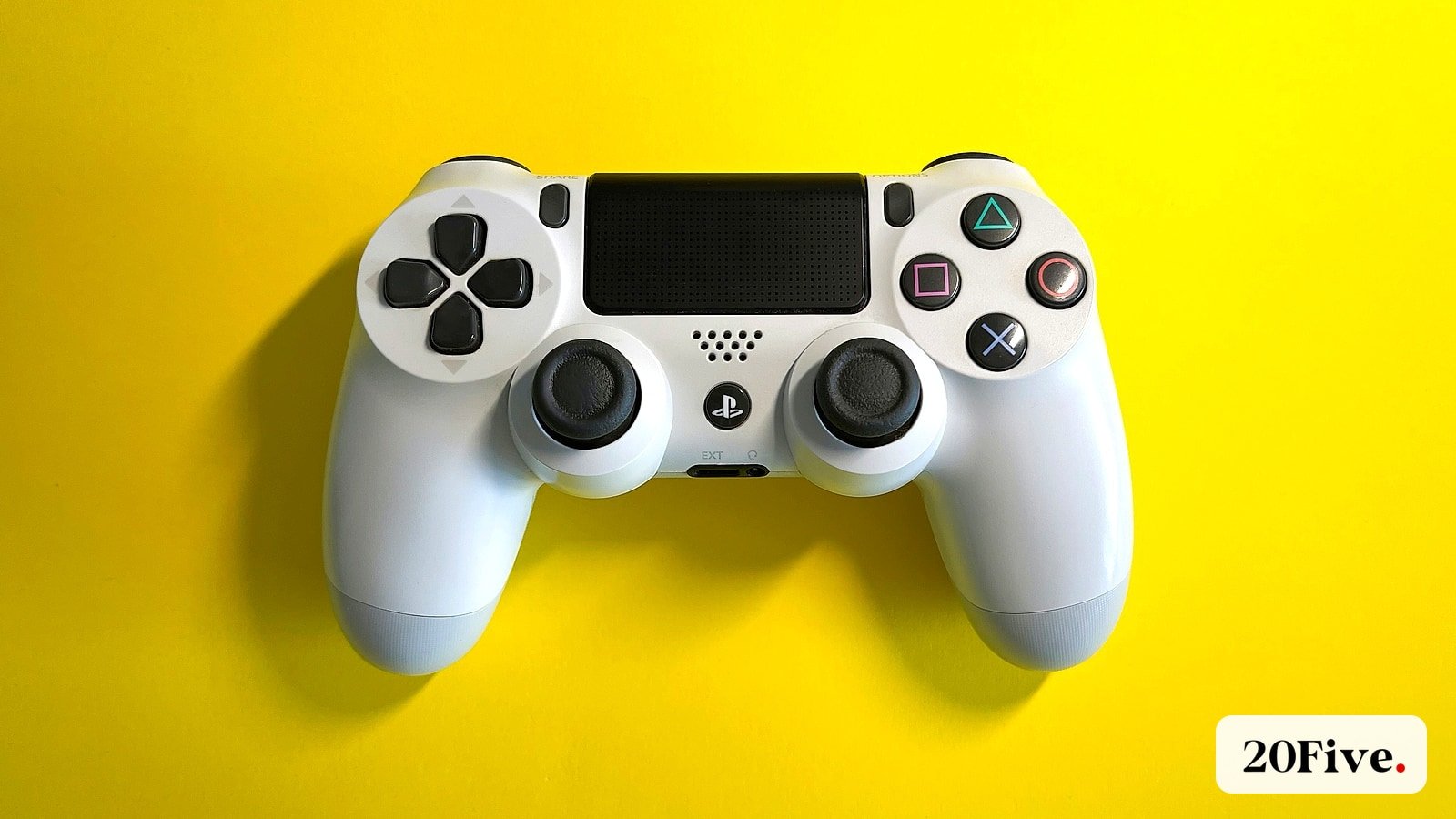
Gaming once sat in a narrow entertainment category. Today it connects technology, storytelling, sport, music, advertising, social communities, live events, and valuable intellectual property.
Electronic Arts operates some of the most recognised franchises in interactive entertainment. Its audience reaches across consoles, computers, mobile devices, competitive gaming, and global sports communities.
For PIF, the acquisition would deepen a strategy that is already visible. Saudi Arabia has invested heavily in games and esports as part of its effort to build new industries and expand economic activity beyond oil.
Owning a major publisher creates a different level of influence. It connects capital with established creative teams, global distribution, sports rights, technology, and communities that return to the same franchises year after year.
The opportunity is huge, but so is the responsibility. Players care deeply about price, creative quality, studio culture, access, and the long term treatment of the games they love. New owners may see financial potential. The audience will judge what that ownership actually produces.
Europe is testing more than competition
The European review has two distinct parts. Traditional merger rules look at whether a transaction could harm competition. Foreign subsidy rules examine whether financial support from outside the European Union could distort the European market.
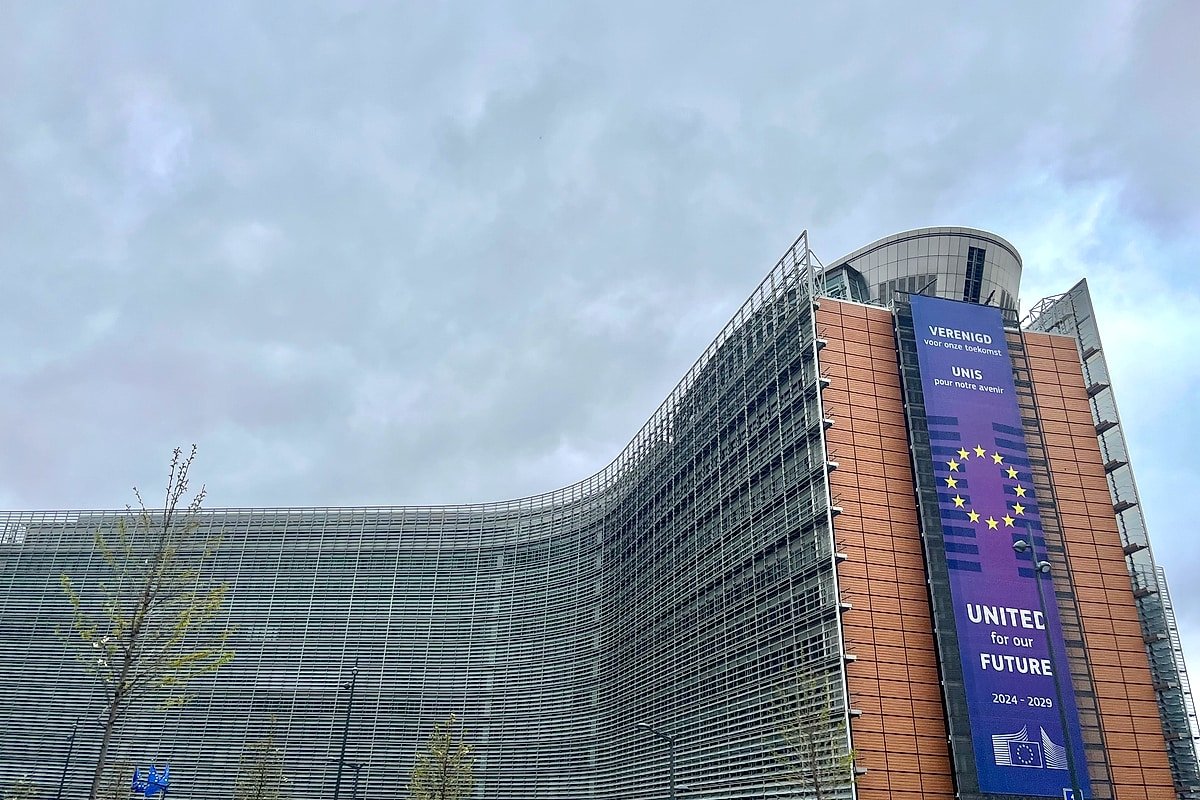
Reuters reported that approval is expected under both processes. Until the Commission issues its decisions, that remains an informed report rather than an official result.
The distinction is important for honest coverage. A regulatory green light would remove a major obstacle. It would not rewrite every condition in the original agreement or make completion automatic.
For regional business observers, the transaction belongs beside the reported search for Aramco Stadium investors. One story is about Saudi capital buying a larger role in global entertainment. The other is about drawing private capital into a major Saudi asset. Both show how investment strategy across the Kingdom is becoming more global and more flexible.
The bigger question comes after approval
If the acquisition closes, attention will move quickly from regulators to performance.
Can private ownership give EA more patience to build ambitious games? Will the debt burden change how the company makes decisions? Can the new owners protect creative talent while pursuing financial returns? And how will players respond if the business model changes?
These questions will decide whether the deal becomes a landmark investment or simply a landmark price.
Saudi Arabia no longer wants to be seen only as a market that consumes global entertainment. Through the PIF Electronic Arts deal, it is trying to help finance, own, and shape the companies that create it.
Frequently asked questions
How much is the Electronic Arts acquisition worth?
Electronic Arts said the transaction values the company at about 55 billion dollars.
Who is buying Electronic Arts?
The investor consortium includes Saudi Arabia’s Public Investment Fund, Silver Lake, and Affinity Partners.
Has Europe approved the transaction?
Not yet. Reuters reported that decisions are expected on 22 July under merger rules and on 30 July under foreign subsidy rules.
Why is the PIF Electronic Arts deal being reviewed in Europe?
The European Commission is examining the transaction under its merger rules and under rules designed to identify possible market distortion from foreign subsidies.
What happens to Electronic Arts if the deal closes?
EA said it would remain headquartered in Redwood City and Andrew Wilson would continue as chief executive.
Sources
Reuters report on expected European approval