


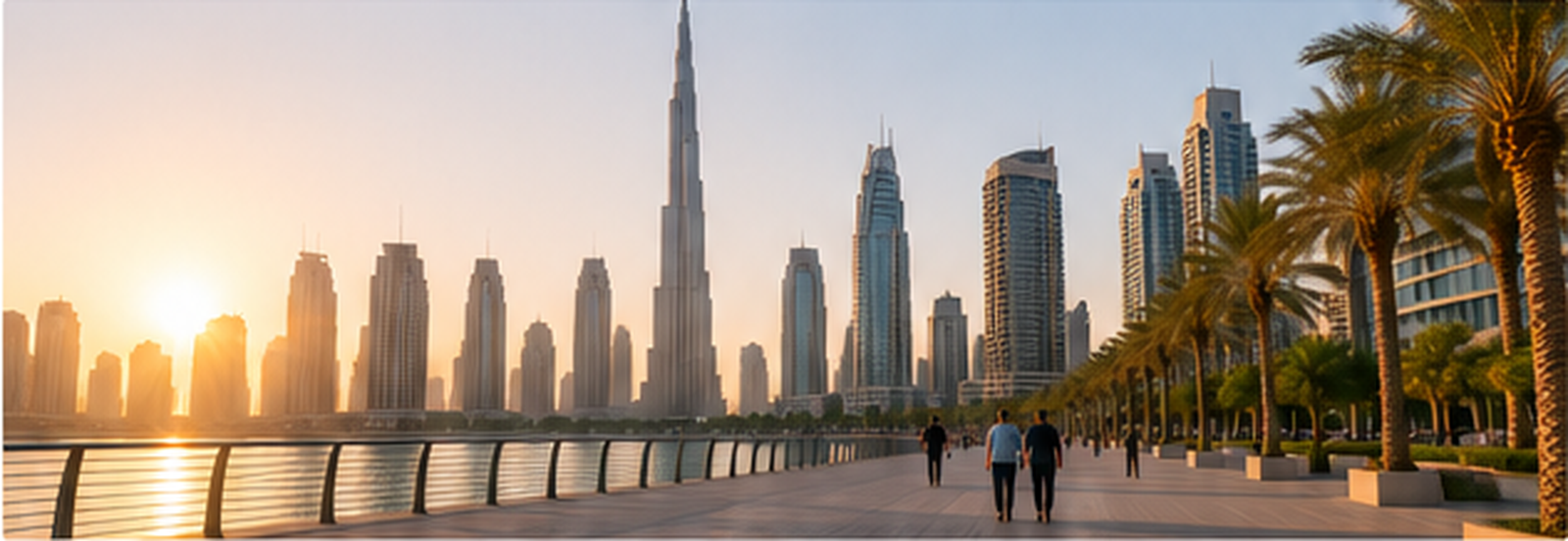


Mohamed Alabbar leadership story begins far below the height of Burj Khalifa. It begins with a boy in Rashidiya watching a father who captained a wooden dhow into uncertain waters. There was no modern navigation system, no reliable forecast, and no guarantee that the boat would return safely. The lesson was not about sailing. It was about making decisions before certainty arrives.
That instinct later shaped one of the most recognisable business careers in the UAE. Alabbar founded Emaar in 1997 and helped turn Downtown Dubai into a global destination. His official profile now describes a property and hospitality footprint across 20 countries, with more than 400,000 homes and over 90 hotels connected to his ventures.
The polished numbers can make the journey look inevitable. It was not.
The Mohamed Alabbar leadership story started with restlessness
Alabbar studied finance and business administration at Seattle University, then worked at the Central Bank of the UAE. He had a stable career and a young family, but he has described himself as restless and eager to do more.
An opportunity in Singapore exposed him to a different government and business culture. He later said the experience taught him to think positively and avoid hesitation. When he returned to Dubai in 1992, he became the founding director of the Department of Economic Development.
Dubai was growing, but it was not yet the city the world recognises today. Alabbar worked on economic development and launched Dubai Shopping Festival in 1996. The work required speed, pride, and a willingness to act before every detail felt comfortable.
That became the foundation for Emaar.
He built before he had proof
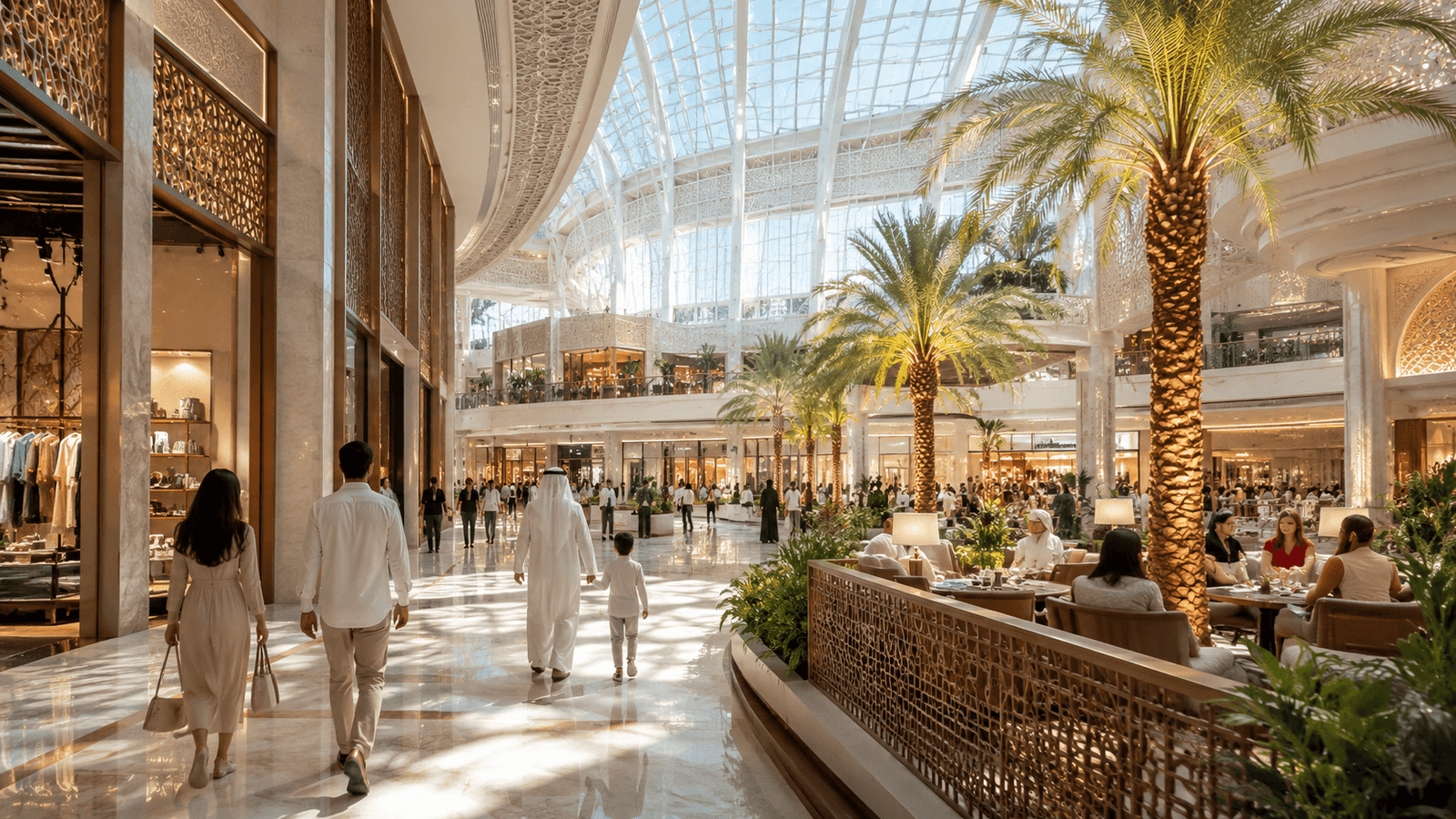
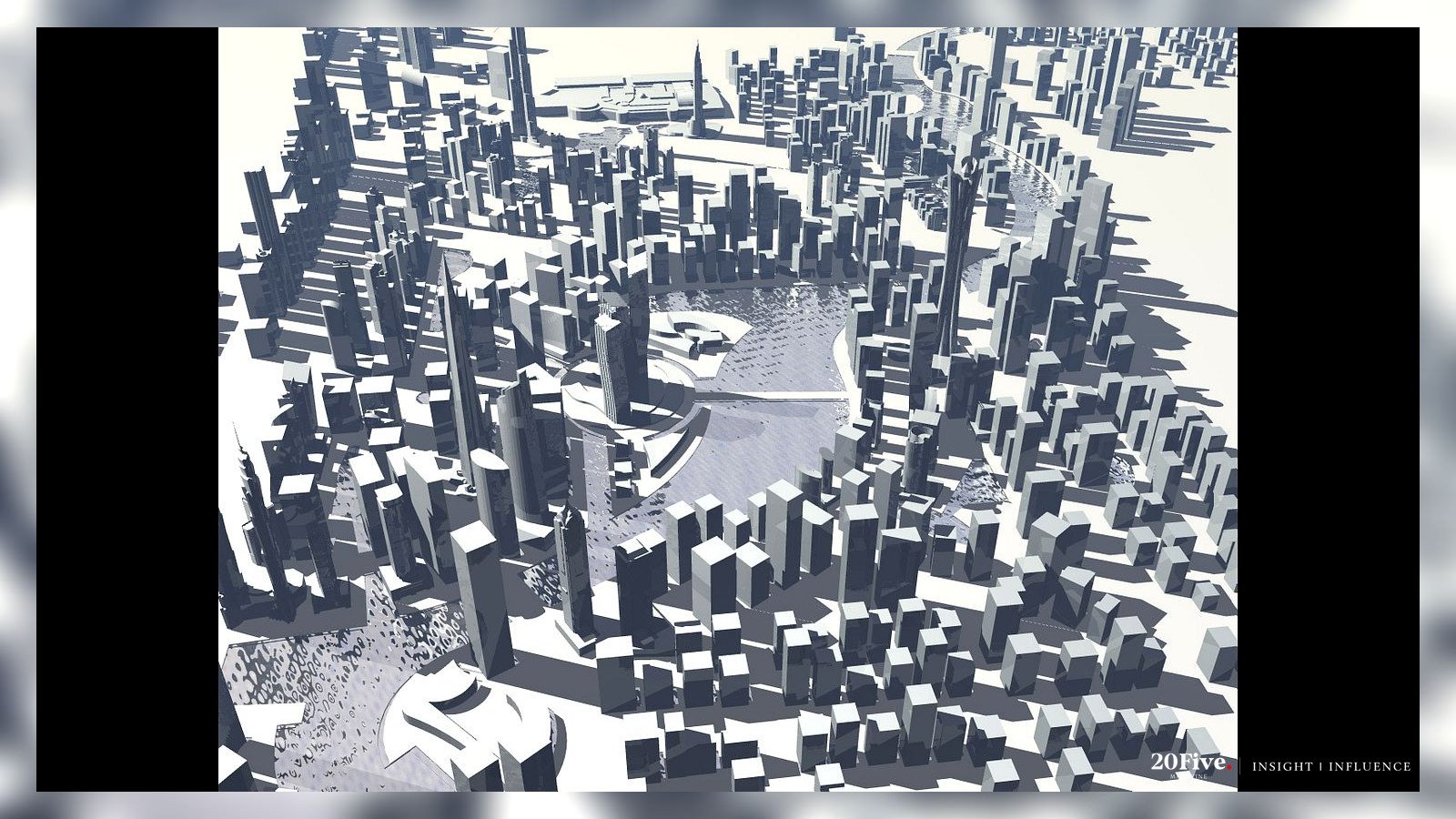
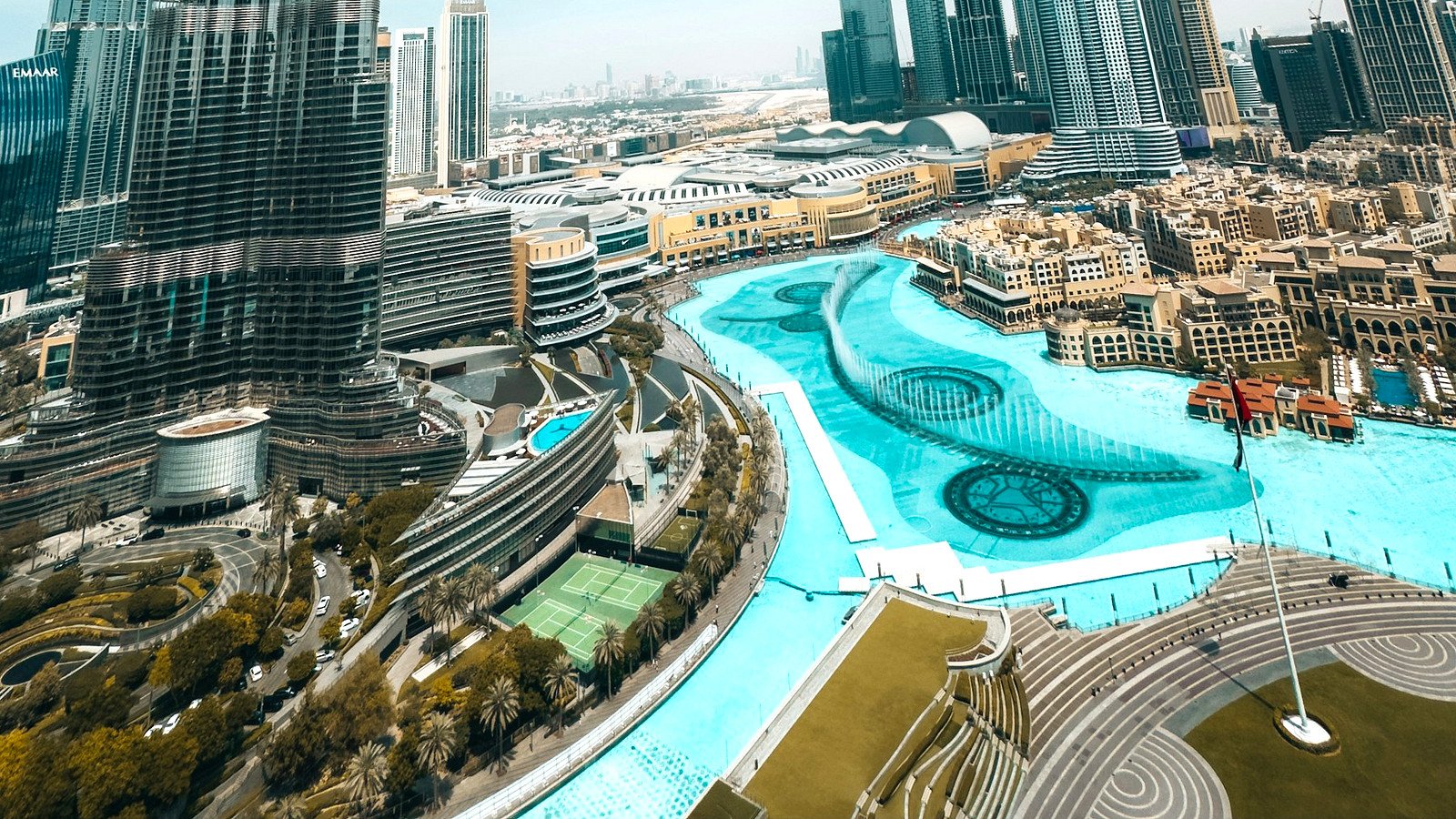
Alabbar founded Emaar without pretending he had already completed projects of the same scale. His first major vision included Dubai Marina. Downtown Dubai followed, bringing together Burj Khalifa, Dubai Mall, homes, hotels, and public spaces in a single destination.
The ambition was enormous. So was the risk.
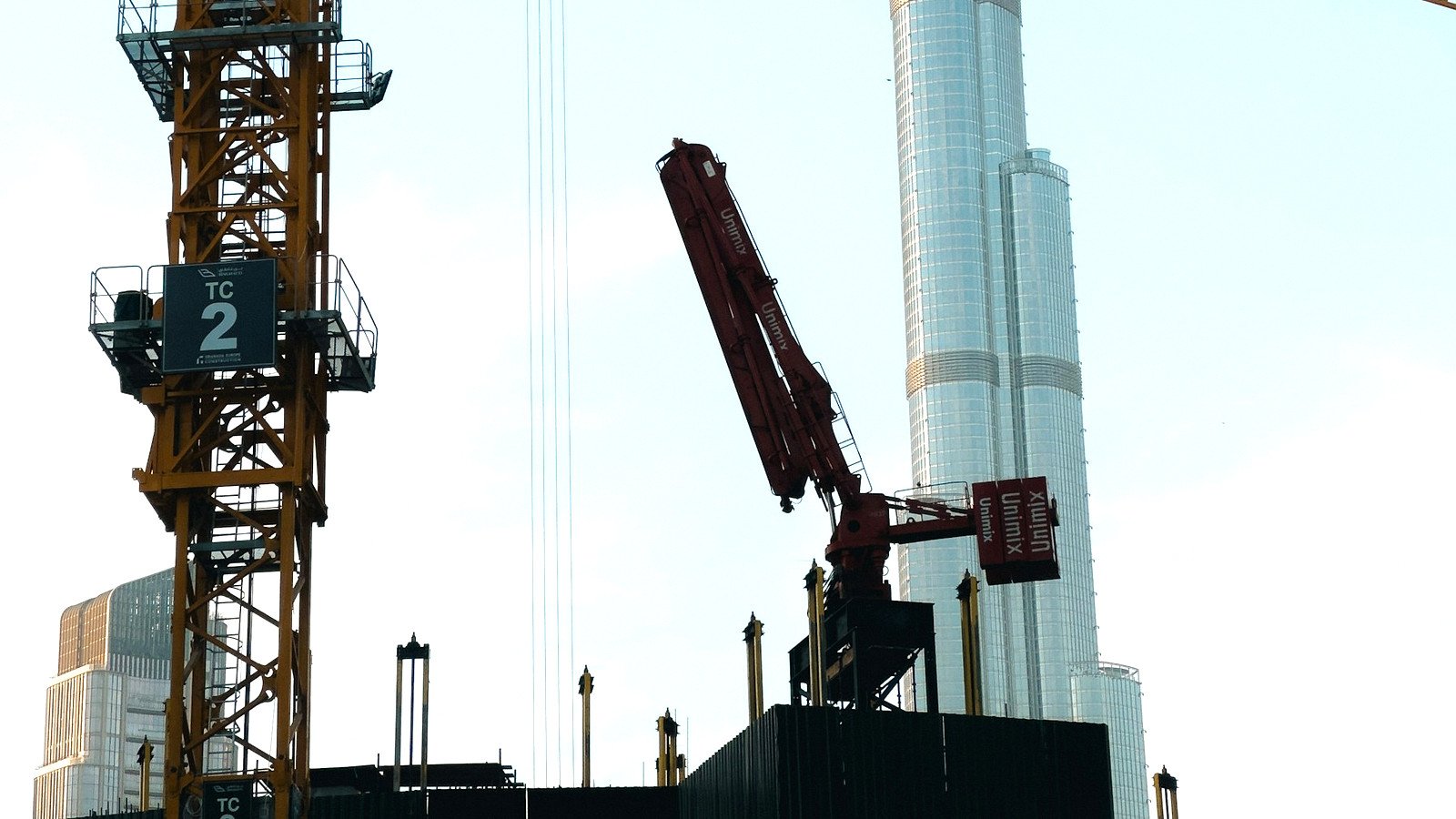
Construction on Burj Khalifa continued through the global financial crisis. Other developments stalled. Confidence became fragile. Yet the tower opened in 2010 and turned into something larger than a property asset. It became a visual statement about what Dubai believed it could achieve.
This is where the Mohamed Alabbar leadership story becomes useful to entrepreneurs. Vision is not simply imagining something large. It is accepting responsibility for the difficult years between the idea and the proof.
Failure made the success more credible
Alabbar has spoken openly about losing money in the United States and choosing the wrong partners. He has also said one of his biggest mistakes was not surrounding himself with enough strong people earlier.
Those admissions matter. They remove the myth that great leaders always make the right call. Strong leadership is often the ability to recognise a poor decision early, absorb the lesson, and return with better judgement.
Failure can make people cautious in the wrong way. They stop making decisions because they want protection from embarrassment. Alabbar describes a different response. Failure should create resilience, stronger teams, and a more honest understanding of risk.
The lesson is not to celebrate losing money. It is to make sure a costly lesson is never paid for twice.
What founders can learn from Mohamed Alabbar
The first lesson is that action creates information. A founder rarely receives perfect certainty before a meaningful decision. Waiting can feel responsible while quietly becoming the greatest risk.
The second lesson is that pride in place can become a business advantage. Emaar did not only sell buildings. It helped sell an idea of Dubai as a city where scale, hospitality, and experience belong together.
The third lesson is that the team must grow before the ambition becomes too heavy. A founder who keeps every decision close eventually becomes the limit of the company.
Alabbar’s career now stretches across property, hospitality, technology, food, and digital finance. The ventures are different, but the pattern remains familiar. See an opening, build a capable team, move with conviction, and accept that some decisions will hurt.
For more stories about the people building the region, visit Business and Entrepreneurship.
Frequently Asked Questions
Who is Mohamed Alabbar?
Mohamed Alabbar is the founder of Emaar Properties and Eagle Hills. He has also built and invested in businesses across technology, hospitality, food, and digital finance.
When did Mohamed Alabbar found Emaar?
He founded Emaar in Dubai in 1997.
What did Mohamed Alabbar say about failure?
He has explained that failure builds resilience and has spoken openly about losing money, choosing unsuitable partners, and waiting too long to bring more strong people into his team.
What is the main leadership lesson from his career?
The strongest lesson is that ambitious work requires decisive action, honest learning, and a team capable of carrying the vision beyond its founder.