




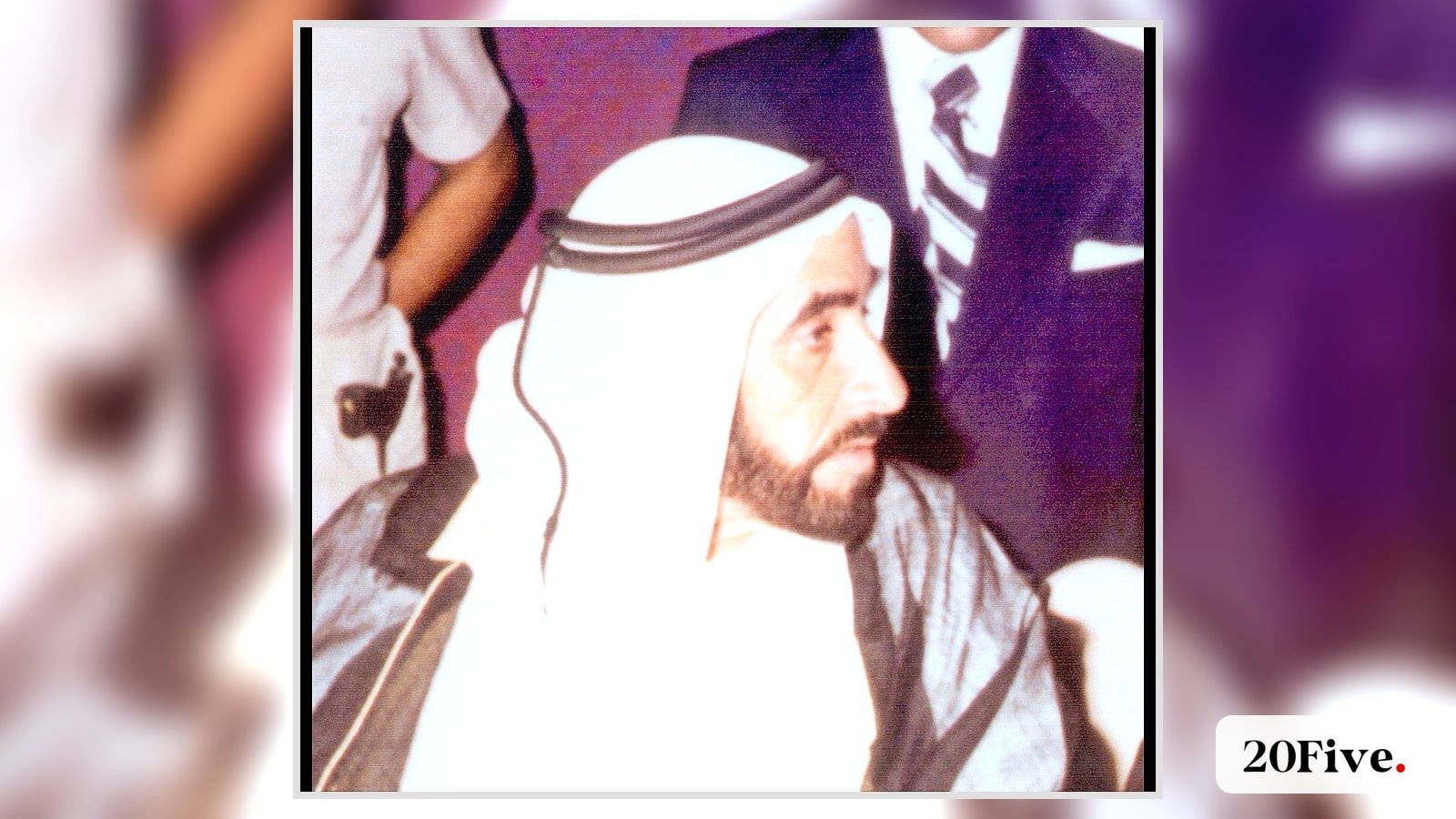




The Sheikh Zayed leadership legacy is woven into the story of the United Arab Emirates. Sheikh Zayed bin Sultan Al Nahyan was Ruler of Abu Dhabi from 1966 until 2004, then became the UAE’s founding President when the federation was established on 2 December 1971. He served as President until 2004, helping to turn the union of seven emirates into a shared national project.
Official UAE history presents Sheikh Zayed as a patient listener, a mediator and a man close to his people. It also records a development approach that connected public trust, education, infrastructure, welfare and national unity. The lessons below are editorial interpretations of that documented record, intended for students, residents and leaders looking at what lasting leadership can involve.
Sheikh Zayed leadership legacy: 12 lessons that endure
1. Put unity at the centre of the mission
Sheikh Zayed played a central role in bringing the seven emirates together in 1971. The first lesson is clear: shared purpose can be more powerful than individual interest. Strong leadership makes room for different local identities while building confidence in a common future.
2. Listen before seeking agreement
The Official Platform of the UAE Government describes Sheikh Zayed as a patient listener. For modern leaders, listening is not a ceremonial gesture. It is how decisions become better informed, relationships become stronger and people feel that their experience matters.
3. Treat mediation as a leadership strength
Official history also identifies Sheikh Zayed as a mediator. This offers a useful reminder that leadership is not only about winning an argument. It is often about finding practical ground where people can move forward together.
4. Stay close to the people you serve
Being described as a man of the people points to an enduring standard of public leadership: stay connected to everyday realities. Policies and plans have greater meaning when leaders understand how people live, learn, work and raise families.
5. Build trust through visible progress
The UAE’s development story under Sheikh Zayed linked public confidence with tangible priorities including infrastructure, education and welfare. The lesson is that trust grows through delivery. A promise matters, but schools, services and connections that improve daily life make that promise real.
6. See education as national infrastructure
Roads and buildings are visible signs of development, but education expands a country’s capacity over generations. Sheikh Zayed’s documented development approach placed education alongside other major national priorities. For young leaders, this is a call to value knowledge as a foundation for opportunity and resilience.
7. Think in generations, not headlines
Nation building requires patience. The federation’s formation was a major achievement, but its strength depended on sustained work after 1971. Leaders can take from this a practical principle: choose priorities that will still matter when the immediate moment has passed.
8. Connect prosperity to public wellbeing
Official accounts link development with welfare as well as infrastructure. This matters because economic progress is most meaningful when it supports people’s quality of life. Leadership should ask not only what is being built, but who benefits and how communities are supported.
9. Respect local identity within a larger whole
The UAE brought together seven emirates, each with its own history and character. The federation demonstrates that unity does not require sameness. In organisations and communities, successful collaboration can preserve distinct strengths while aligning everyone around a bigger purpose.
10. Make public service personal
A leader’s connection with people can turn institutions into something more human. The historical description of Sheikh Zayed’s closeness to the public suggests a simple standard for any decision maker: consider the person behind the statistic and the family behind the policy.
11. Use progress to reinforce belonging
Infrastructure, education and welfare are practical priorities, but they can also strengthen a sense of shared belonging when they are developed as part of a national vision. The UAE’s early development journey shows how public progress and national unity can reinforce one another.
12. Lead with patience and purpose
Perhaps the most relevant lesson for a fast moving world is that patient leadership is not passive leadership. It can mean hearing different views, pursuing agreement and keeping sight of a long term purpose. That principle remains central to the Sheikh Zayed leadership legacy.
A legacy grounded in documented nation building
These twelve lessons are interpretations, not direct quotations or claims about private intent. The historical foundation is well established: Sheikh Zayed led Abu Dhabi from 1966 to 2004 and served as the UAE’s founding President from the federation’s formation in 1971 until 2004. The UAE Fact Sheet provides an official overview of the federation and its presidents.
For the UAE’s young people and for anyone studying constructive leadership, his legacy offers a practical frame: listen carefully, bring people together, invest in human development and measure progress by its benefit to society. Those are not only lessons from history. They remain useful questions for every leader today.
Frequently Asked Questions
When did Sheikh Zayed become President of the UAE?
Sheikh Zayed became the UAE’s founding President when the federation was formed on 2 December 1971. He served until 2004.
How long was Sheikh Zayed Ruler of Abu Dhabi?
Sheikh Zayed was Ruler of Abu Dhabi from 1966 until 2004.
What role did Sheikh Zayed play in the formation of the UAE?
He played a central role in building unity among the seven emirates and in the formation of the UAE federation in 1971.
What values are associated with Sheikh Zayed’s leadership?
Official UAE history describes him as a patient listener, mediator and man of the people, with a development approach connecting public trust, education, infrastructure, welfare and national unity.